
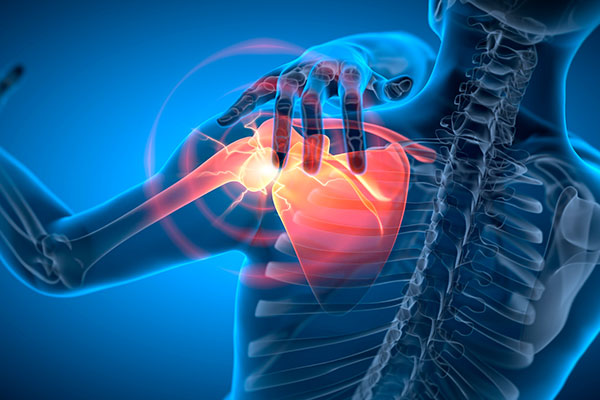
The moment you try to lift your arm and a sharp, searing pain shoots through your shoulder, you know something is wrong. Is it a simple strain from a workout, or is something more serious happening within that complex joint? Many patients assume any deep shoulder ache is a rotator cuff issue, but two distinct conditions frequently overlap, leading to confusion and delayed treatment. Let’s clarify the crucial distinctions between shoulder impingement and a rotator cuff tear.
What Exactly is Shoulder Impingement Syndrome?
Shoulder impingement, sometimes called Swimmer’s Shoulder or Thrower’s Shoulder, is primarily a space problem. It occurs when the tissues within the shoulder joint, specifically the rotator cuff tendons (most commonly the supraspinatus) and the bursa, are repeatedly squeezed or "impinged" between the top of the humerus (arm bone) and the acromion (the outer edge of the shoulder blade). This squeezing happens when the arm is lifted, especially between the 60 and 120-degree arc (the "painful arc").
- Key Cause: Inflammation, swelling of the bursa (bursitis), or bone spurs on the acromion reduce the subacromial space.
- Typical Pain: A deep, dull ache, often radiating down the side of the arm, and most noticeable when reaching up or behind the back.
- Treatment Focus: Reducing inflammation (anti-inflammatories, joint injections) and improving shoulder mechanics through physical therapy to open up the subacromial space.
Identifying a True Rotator Cuff Injury (Tear)
A rotator cuff injury involves an actual structural failure, a partial or full-thickness tear, in one or more of the four tendons that stabilize the shoulder and allow it to rotate and lift. Unlike impingement, which is a compression of tissue, a tear is a physical break in the tendon fibers.
- Key Cause: Trauma (a fall, lifting a heavy weight) or chronic degeneration/wear and tear, often exacerbated by long-term, untreated impingement.
- Typical Pain & Symptoms: Sharp, acute pain immediately following a trauma, significant weakness (especially when trying to hold the arm up against gravity), and a loss of functional motion. Many patients report being unable to lift or use the arm effectively.
- Diagnosis: Requires imaging (Ultrasound or MRI) to confirm the size and location of the tear.
| Feature | Shoulder Impingement (Tendinosis/Bursitis) | Rotator Cuff Tear (Structural Damage) |
|---|---|---|
| Pain Character | Dull ache; "painful arc" of motion | Sharp, acute pain; constant deep pain |
| Strength | Full strength is typically maintained, but movement is painful | Noticeable weakness and inability to resist pressure |
| Activity | Pain worsens with overhead or repetitive motions | Difficulty initiating and maintaining arm movement |
| Night Pain | Common, especially when lying on the affected side | Very common and often severe |
If a patient can lift their arm with good strength but reports pain with the motion, we may start with an impingement protocol. If the patient has clear loss of strength and cannot hold their arm up, a tear is strongly suspected, necessitating further imaging.
It’s crucial to understand that chronic impingement can lead to a rotator cuff tear over time due to the constant friction wearing down the tendon. Early and accurate diagnosis of impingement can therefore prevent a tear. For structural tears, especially in active individuals, shoulder arthroscopy (keyhole surgery) is often necessary to repair the torn tendon back to the bone, restoring function and preventing further retraction.
If you are experiencing persistent shoulder pain, especially if it is accompanied by weakness, waiting is not advisable. Schedule a consultation to receive a precise diagnosis and discuss the best course of action for your shoulder health.
AUTHOR: Anup Shah, MD, MBA, FAAOS is a board-certified, fellowship-trained Sports Medicine Orthopedic surgeon specializing in Knee and Shoulder Surgery in Phoenix, Arizona at Banner Health. Dr. Shah uses a patient-centric and evidence-based approach to help his patients achieve their desired goals.


